Not long ago, buying a product usually started with a Google search, a few YouTube reviews, and several hours spent comparing prices across different websites.
Today, that process is changing. More people are opening ChatGPT before they buy a laptop, smartphone, washing machine, software subscription, camera, or even a pair of running shoes.
Instead of reading dozens of articles and watching multiple videos, shoppers can ask a simple question: Which laptop is best for programming under ₹80,000?
Within seconds, AI can provide recommendations, explain differences between models, compare features, and even help users understand whether a product is worth the money.
Artificial Intelligence is not just improving online shopping. It is changing how people make buying decisions altogether.
The Traditional Shopping Journey
Before AI tools became popular, a typical purchase involved several steps: searching on Google, reading product descriptions, visiting multiple shopping websites, watching review videos, comparing prices manually, and reading customer reviews.
This process worked, but it often required a lot of time and effort. For expensive purchases, people could spend hours or even days researching products before making a decision.
The biggest challenge was not finding information. It was filtering through too much information.
The Rise of AI-Powered Shopping
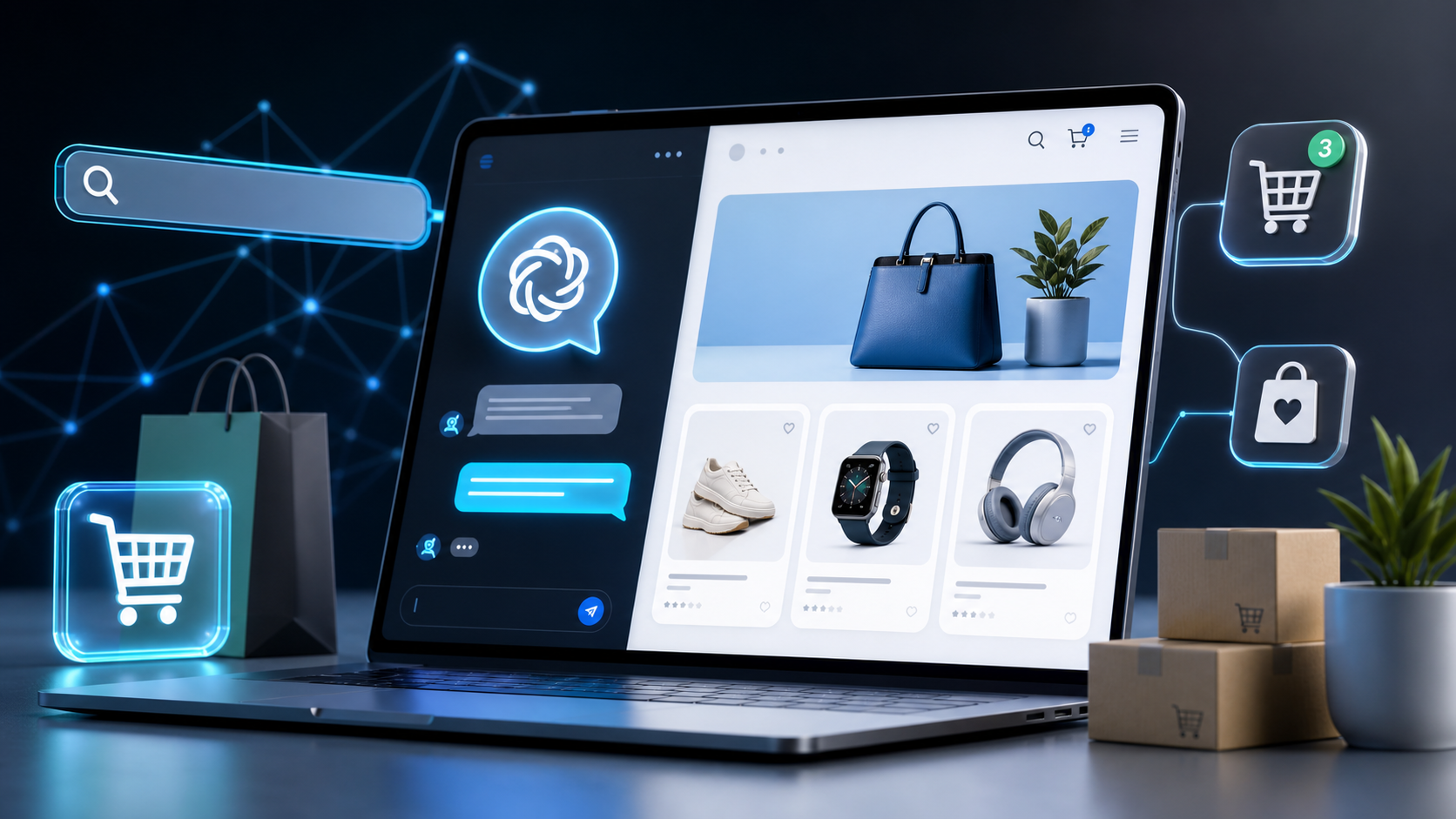
AI has introduced a completely different approach. Instead of searching through hundreds of web pages, users can simply ask questions in natural language.
For example, shoppers can ask which smartphone has the best camera under ₹50,000, whether an iPhone is worth upgrading to, how MacBook Air compares with Dell XPS for software development, or which air purifier is best for a small apartment.
The AI gathers and organizes information into a simple explanation that is easier to understand than reading multiple articles. This shift is moving shopping from searching to asking.
Why People Are Using ChatGPT Before Buying Products
Faster Product Research
One of the biggest advantages of AI is speed. Instead of spending hours comparing products manually, shoppers can get a quick overview in minutes.
For example, if someone wants to buy a gaming laptop, they can ask ChatGPT to compare the best gaming laptops under ₹1,20,000 and explain which offers the best value. The response can include key specifications, performance differences, pros and cons, and recommended use cases.
Simplifying Technical Information
Many products contain specifications that average consumers do not fully understand. Terms like refresh rate, processor generation, RAM speed, SSD type, and display technology can be confusing.
AI can simplify complex technical terms and product specifications into easy-to-understand language. Instead of trying to interpret detailed hardware specs, shoppers can simply ask questions like, “Is 16GB of RAM enough for video editing?” and receive a clear, practical answer tailored to their needs.
Personalized Recommendations
Traditional shopping websites usually show the same recommendations to everyone. AI takes a different approach because users can provide context such as budget, purpose, experience level, and preferred brands.
For example, a college student with a ₹60,000 budget who needs a laptop for programming and light gaming can receive a far more relevant recommendation than a generic best laptops list.
AI Is Becoming a Personal Shopping Advisor
Comparing Products Instantly
One of the most common shopping tasks is comparing products. Traditionally, shoppers open multiple tabs and compare specifications manually.
Now they can ask AI to compare products such as Samsung Galaxy and iPhone models for photography and battery life. AI can summarize the important differences and explain which product is better for specific needs.
Understanding Value for Money
The most expensive product is not always the best purchase. Many buyers want to know whether a product is overpriced, whether there is a better alternative, and what offers the best value.
AI can help identify products that provide the best balance of price and features. This is especially useful for electronics, software subscriptions, and household appliances.
Finding Alternatives
Many shoppers start with a specific brand in mind, but AI often introduces alternatives they might never have considered.
Someone searching for a premium laptop may discover that a mid-range model offers nearly identical performance for hundreds of dollars less. This ability to uncover better-value options can lead to smarter purchasing decisions.
How AI Changes Consumer Behavior
People Research More Before Buying
Because asking AI is quick and easy, consumers are becoming more informed. Instead of relying only on advertisements, buyers can ask detailed questions and explore multiple perspectives.
Brand Loyalty Is Becoming Weaker
In the past, many people bought products from familiar brands without much research. Today, AI recommendations often focus on features and value rather than brand recognition.
As a result, lesser-known brands can compete more effectively if they offer better products.
Consumers Expect Instant Answers
Modern shoppers want information immediately. They do not want to spend hours reading long articles to answer a simple question. AI satisfies this expectation by providing quick, conversational responses.
The Benefits of AI Shopping Assistants
AI reduces research time significantly. Tasks that once required multiple websites can often be completed through a single conversation.
AI also reduces information overload by summarizing and organizing endless reviews, opinions, and marketing content into something manageable.
For non-technical buyers, AI bridges the knowledge gap by explaining products in everyday language. When used correctly, it can help buyers compare options objectively and avoid impulse purchases.
The Limitations of AI Shopping Advice
Despite its advantages, AI should not be treated as the only source of information.
Prices, availability, and specifications change frequently. Users should always verify important details on official websites before purchasing.
Reviews still matter because real customer experiences can reveal long-term issues that specifications do not show.
AI recommendations are only as good as the information provided. The more specific and detailed your question, the more accurate and relevant the recommendation will be. Broad or unclear questions often lead to more general answers, while detailed queries help AI deliver personalized and useful suggestions.
The Future of Shopping With AI
In the future, AI assistants may track product prices automatically, alert users when prices drop, analyze product reviews in real time, compare products across multiple stores, recommend purchases based on personal preferences, and create personalized shopping lists.
Eventually, AI may become the primary starting point for online shopping, replacing traditional search behavior for many consumers.
Instead of searching through websites, people will simply describe what they need and receive tailored recommendations instantly.
Conclusion
The way people shop is undergoing a major transformation. For years, consumers relied on search engines, product pages, and countless reviews to make purchasing decisions. Today, AI tools like ChatGPT are streamlining that process.
Instead of spending hours researching products, shoppers can ask questions, compare options, and receive personalized guidance within minutes.
This does not mean traditional reviews and research are disappearing. Rather, AI is becoming the first step in the buying journey: a smart assistant that helps people understand products, evaluate value, and make more confident decisions.
As AI continues to improve, one thing is becoming increasingly clear: before buying a product, many consumers now ask ChatGPT first.